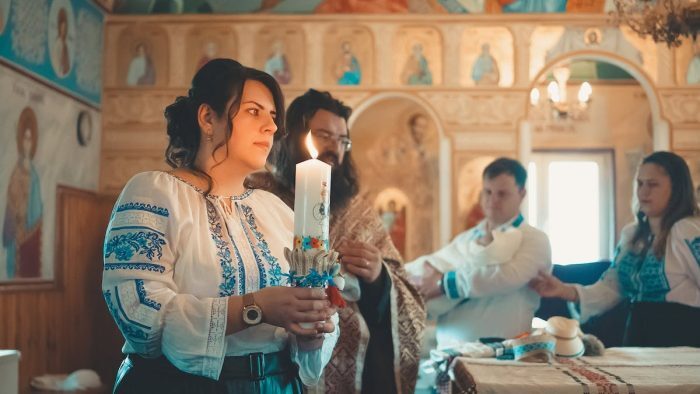
In the complex and delicate realm of monetary gifts, offering an appropriate amount for a baptism can be a challenge. The baptism, a sacred rite for many cultures and religions, is an important moment in a child’s life. It is also an occasion for family and friends to gather to celebrate and support the child in this new stage of life. When it comes to giving money, how much is considered appropriate? There are several factors to consider, such as your relationship with the family, your financial situation, as well as local customs and traditions.
Baptism: understanding its meaning and significance
The importance of money in the celebration of baptism is a delicate subject. Despite its spiritual nature, this ceremony also has a significant material dimension, particularly regarding the gifts given to the family and the newborn.
However, the amount of monetary gifts is not fixed and largely depends on factors such as closeness to the family or one’s own financial situation. In some cases, a closer relative is naturally expected to contribute more than a more distant relationship.
The crucial role of the godparent during this event accentuates this expectation. Due to their spiritual commitment to the baby, it is commonly accepted that they should offer a meaningful gift; but again, this does not necessarily mean it has to be extravagant.
In this fluctuating context where traditions mix with personal constraints, some opt for the ‘gift for godmother baptism’. This original approach combines material and symbolic considerations: the gift has of course a monetary value, but it is overshadowed by the sentimental value linked to its uniqueness.
A ‘gift for godmother baptism’ can take various forms: a piece of jewelry engraved with the baby’s name or a personalized item recalling the event. It thus offers a unique keepsake to cherish throughout the coming years.
Ultimately, everyone should keep in mind that while the monetary aspect undoubtedly plays a role during the baptism, it remains secondary to its true purpose: to collectively celebrate the solemn welcome of a new child into the Christian community.

Money at the heart of baptism celebrations
To determine the right sum of money to offer at a baptism, it is important to consider several criteria. Think carefully about your relationship with the family and the newborn. If you are a close family member or a relative, it is generally expected that your contribution will be more substantial.
Consider your own financial means. Give according to your possibilities without putting yourself in an uncomfortable financial situation. The amount offered should be chosen with care and reflection.
It may be helpful to learn about the traditional practices surrounding gifts at baptisms in the culture of the country in question. Some cultures have specific customs regarding the amounts of money to offer. Inquiring with more experienced members of the religious community can help find a benchmark for setting the appropriate amount.
It is also interesting to consider the event itself and its overall organization. If the parents have spent a lot of money preparing for the baptism (venue rental, catering…), this may influence the choice of the amount offered to help offset these additional costs related to the celebration.
Let us not forget that the intention behind this gesture is just as important as the amount itself. Offering a symbolic gift accompanied by a beautifully written card can sometimes be just as appreciated – if not more – than a large sum of money. What matters is to show your support and joy towards the family during this special event.
Determining the right sum of money to offer for a baptism requires personal reflection taking into account various factors such as family ties, financial means, cultural traditions, and the event itself. It is essential to prioritize the quality of the intention rather than the quantity of the amount given.
How to choose the right amount to give money
The offering of money during a baptism is often surrounded by specific traditions and customs, varying from culture to culture. These practices reflect the symbolic significance attributed to this generous gesture.
In some cultures, it is common to offer a symbolic sum based on the ‘lucky number’ associated with the newborn. For example, giving an amount ending in the number seven may represent luck and prosperity for the child. In other cultures, it is preferable to give an even amount rather than an odd one to symbolize balance and harmony.
There are also rituals related to how the money should be presented or given to the parents during the baptism. Some prefer to wrap the bills in special paper or place them in a small decorative box, while others use traditional envelopes adorned with religious symbols.
Sometimes, monetary gifts are made in the form of small personalized gifts such as commemorative coins or symbolic jewelry. These precious items can hold special significance for the baby and will serve as a lasting memory of this important occasion.
It should be mentioned that some families have their own family traditions regarding financial gifts during religious ceremonies. This may involve a fixed sum that has been passed down for generations or a specific practice unique to their family lineage.
The offering of money during a baptism is a tradition that transcends cultural and religious boundaries. It reflects the generosity and support given to the family during this key stage of their life. Although the exact amount may vary, the intention behind this gesture remains universal: to celebrate the arrival of the child in the community and wish them a prosperous future.
There is no strict rule regarding the amount of money to offer at a baptism. The traditions and customs surrounding this act can vary significantly depending on cultures and families. It is important to take these different elements into account to choose an appropriate gift that reflects your relationship with the family as well as your financial means while respecting local practices related to this significant event.
Traditions and customs of monetary offerings at baptism
When it comes to giving a gift at a baptism, there are also different alternatives to money that can be just as appreciated and meaningful. These options allow you to choose a present that reflects your relationship with the family and the significance you wish to give to this generous gesture.
One alternative is to offer a religious gift. This could be, for example, a personalized Bible, a rosary, or a silver cross. These symbolic items are deeply rooted in Christian tradition and will remind the child of their faith throughout their life. They are timeless gifts imbued with spiritual meaning.
Additionally, some people also opt for educational gifts during baptism ceremonies. Children’s books addressing moral or religious themes, educational games focused on spirituality, or even a financial contribution for the baby’s future studies are all interesting ideas. This type of gift not only enriches the child’s knowledge but also promotes their intellectual and spiritual development from a young age.
Sentimental gifts also have their place at a baptism. This could be, for example, a personalized memory box where parents can carefully keep their child’s first significant items such as the bracelet worn during the ceremony or a few locks of hair cut during their first birthday. This type of gift holds strong emotional value and helps create lasting memories.
Some prefer to give a handmade artisanal gift, thus demonstrating a personal investment and special attention. Whether it is a lovingly knitted blanket, a wooden sculpture made by you, or a painting created specifically for the occasion, these unique gifts add an artistic and personal dimension to the gesture you wish to make.
It is also possible to make a donation to a charity in the name of the baptized baby. This option not only supports a cause that matters to you but also instills generous and supportive values in the child from a young age. You can choose an organization dedicated to helping children in need or opt for associations directly related to the religious values you wish to convey.
When it comes to choosing the ideal gift for a baptism, it is important to consider the bond you have with the family as well as the tastes and beliefs they share. Let your creativity shine while respecting the traditions specific to this solemn occasion to mark this important event in the life of the new Christian child.
Original alternatives for giving a baptism gift
The symbolism of the offering of money during a baptism carries a deep and multifaceted meaning. Indeed, this traditional gesture is laden with symbols that go beyond its mere monetary value.
Money represents a concrete means to support parents in their educational and financial role towards their child. By offering a sum of money during the baptism, you contribute to building their material future by participating in expenses related to their education, extracurricular activities, or even establishing savings to ensure future opportunities.
This offering can also be interpreted as a symbol of prosperity and blessing for the child. The underlying idea is that this money will be invested positively in their life so that they can grow up in abundance and happiness. It is thus a sincere wish for their material and spiritual well-being throughout their existence.
The offering of a sum of money can also be seen as a tangible mark of the emotional bond that unites family members or close friends with the newborn. It expresses a shared desire to participate in their spiritual birth by providing the necessary resources for their harmonious development.
It is important to emphasize that the right sum of money to offer at a baptism primarily depends on each individual’s financial capabilities and their relationship with the family. There is no fixed or predetermined amount, as it is essential to keep in mind that money should never be the sole criterion for evaluating the value of a gift at a baptism. Sincerity and intention behind this gesture are far more important than the amount itself.
The offering of a sum of money during a baptism carries rich symbolic meanings. It expresses not only financial support to the parents but also wishes for prosperity and happiness for the child. It is crucial to remember that the true value lies in the love and family bonds established through this precious religious event.
The symbolic importance of the monetary offering at baptism
When it comes time to choose the amount to offer for a baptism, you should consider certain essential elements. It is advisable to assess your own financial situation to determine what is feasible and comfortable for you. You should never put yourself in a difficult position or sacrifice your own needs to make an excessive offering.
You should consider the family or friendship bond with the baby’s parents. If you are close to the family and wish to express your affection and support through this monetary offering, it may be appropriate to consider a more generous amount. If your ties are less close or if you have strict budget constraints, a more modest contribution will be equally appreciated.
Another interesting perspective is to reflect on the cultural and religious context in which the baptism takes place. In some traditions, specific amounts may be expected based on long-established customs. It may be wise to inquire about these traditional practices before making your donation.
Do not hesitate to seek advice from your relatives or experienced individuals who have attended baptisms before. Their experience could provide valuable insights into the usual expectations regarding monetary offerings during this special event.
Remember that a gift at a baptism is not limited to a simple matter of money. It can also take the form of symbolic presents, such as a religious book, jewelry, or a personalized item. What matters most is the intention and the gesture behind the gift, which reflect your attachment to the child and their family.
There is no universal right sum of money to offer at a baptism. It depends on many individual and relational factors, as well as the prevailing cultural customs. The essential thing is to give generously and sincerely according to your personal capabilities, while keeping in mind that love and family bonds are far more precious than any sum of money.