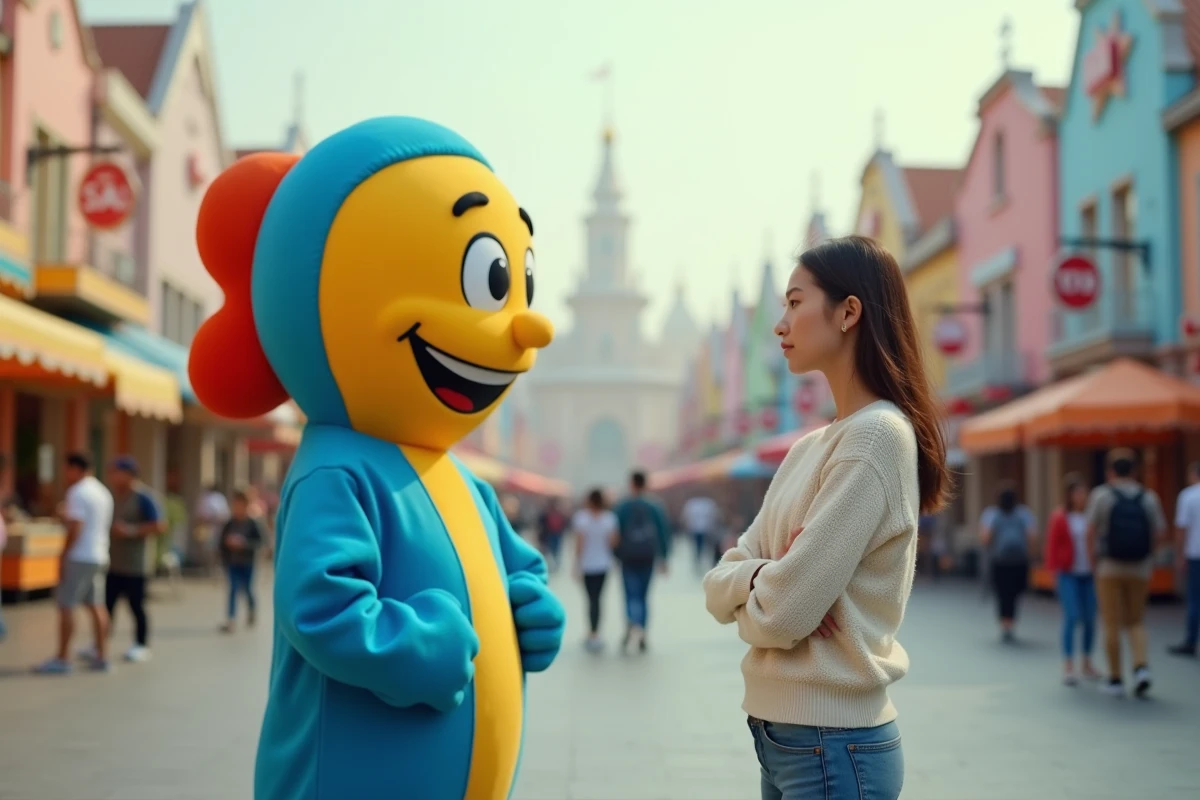
A child screaming at the sight of a theme park mascot, an adult systematically avoiding costumed entertainers in a shopping mall: the fear of mascots manifests in very concrete situations, often in public, with an intensity that surprises those around them. This fear, sometimes called masklophobia, affects both young children and adults who have never managed to shake it off.
Uncanny valley and frozen faces: why mascots trigger discomfort
The fear of mascots is often associated with a simple childish whim. The mechanism is more precise than that. The problem largely stems from what researchers in robotics and psychology call the uncanny valley, this zone of discomfort caused by figures that resemble humans without being human.
A mascot has a human body, human gestures, sometimes a human voice. Its face, however, remains frozen. The smile does not change, the eyes do not blink. The brain receives contradictory signals: familiarity of the body, strangeness of the face. In a person predisposed to anxiety, this contradiction triggers a disproportionate fear response.
This mechanism is also found in the fear of clowns and masked faces. The inability to read facial expressions prevents one from assessing the intentions of the person in front. For a child who is still learning to decode emotions, this is a source of intense stress. In adults, the absence of readable facial expressions hinders the assessment of danger, which maintains a constant state of alert as long as the mascot is visible.
For everything you need to know about the fear of mascots, it is worth noting that this phobia shares common roots with other phobias related to artificial faces, but it has its own situational triggers.
Post-COVID socialization and mascot phobia in children
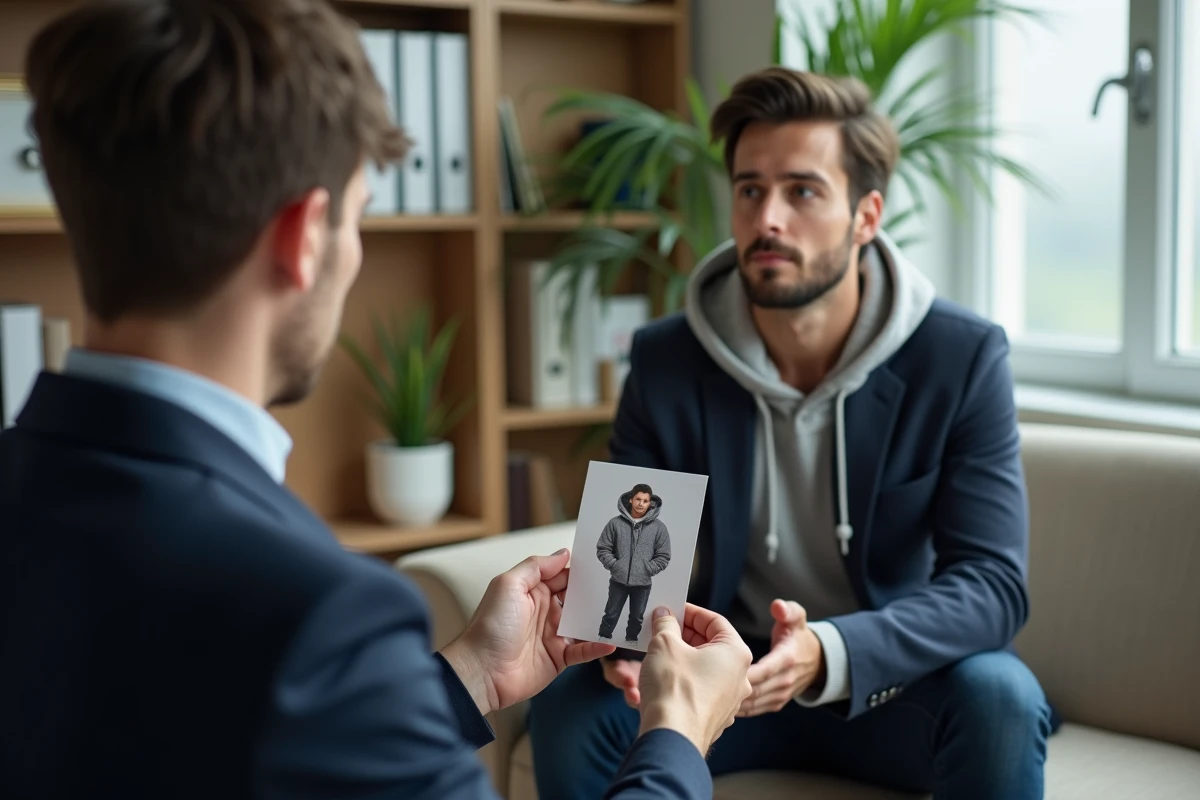
Since the COVID-19 pandemic, several observations in developmental psychology have reported an increase in anxious reactions among young children confronted with masked or costumed strangers. The link to mascots is direct.
Children born during or just before the lockdowns have grown up with reduced exposure to complete facial expressions. Masks worn by adults, limited early socialization, fewer outings in busy public places: these factors have reduced opportunities to gradually acclimatize to unusual faces.
When these children encounter a mascot for the first time, they do not have the repertoire of experiences that allows for perspective. The fear response is then more intense and harder to calm than in children who have had a more varied early socialization. Feedback on this point varies among families, but the trend is well-documented enough for hospital teams to adapt their reception protocols.
Concrete symptoms of established mascot phobia
The boundary between a fleeting fear and an established phobia rests on three criteria: duration, intensity, and impact on daily life. The following signs can be distinguished.
- Systematic avoidance of places where mascots are likely to appear (parks, sporting events, shopping malls during holidays), to the point of altering one’s habits or those of the family
- Immediate physical reaction to the sight or even anticipation of a mascot: increased heart rate, sweating, nausea, feeling of suffocation, or even panic attack
- Avoidance behavior that extends to related situations: refusal to watch advertisements featuring costumed characters, discomfort in front of photos of mascots, anticipatory anxiety several days before an event
- In children, inconsolable crying, clinging to a parent, outright refusal to participate in an activity that was eagerly anticipated
When these symptoms persist for more than six months and interfere with social or family life, it is referred to as a specific phobia in the clinical sense. This anxiety disorder is distinguished from a simple fear by its disproportionate nature compared to the actual danger.
Gradual exposure and practical protocols to overcome this fear
The most studied method for treating specific phobias remains cognitive-behavioral therapy with gradual exposure. In the case of mascots, this approach unfolds in very concrete steps.
Preparation in advance
Practical recommendations published by the Royal Children’s Hospital in Melbourne suggest preparing anxious children before any encounter with a mascot. It starts with showing photos, then short videos. The next step is to explain what is under the costume, possibly by showing a person putting it on.
Giving the option to leave the situation at any time is a central point of these protocols. The child (or adult) retains control. This is the opposite of a forced confrontation, which risks reinforcing the phobia.
Progressive exposure in the field
Exposure can be structured in stages:
- Observing a mascot from a distance, from a place where the person feels safe, without the obligation to approach
- Gradually reducing the distance over several sessions, respecting the person’s pace
- Briefly interacting with the mascot (a wave, a distant exchange) before considering closer contact
Each stage is only crossed when the anxiety level at the previous stage has significantly decreased. In a clinical setting, a therapist specialized in anxiety disorders can support this process with relaxation techniques and cognitive restructuring.
When to consult a healthcare professional
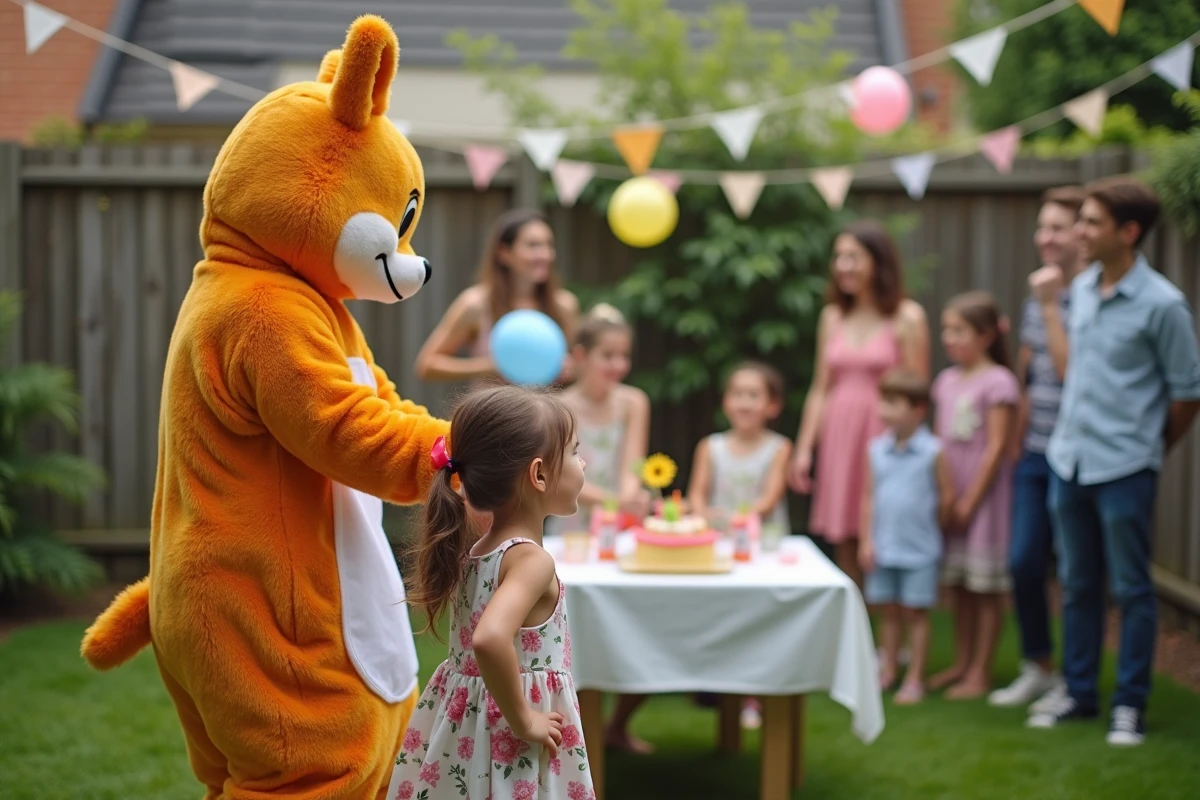
If avoidance disrupts daily life (refusal to go to school during festive events, cancellation of family outings, generalized anxiety that extends beyond mascots), consulting a psychologist or psychiatrist trained in specific phobias is the most appropriate course of action. Cognitive-behavioral therapy shows lasting results for this type of disorder, including in young children accompanied by their parents.
The fear of mascots is not trivial for those who experience it. It is based on identified neuropsychological mechanisms, amplified in some cases by a particular socialization context. Gradual exposure protocols, adapted to each person’s pace, remain the most reliable way to regain control over this fear.