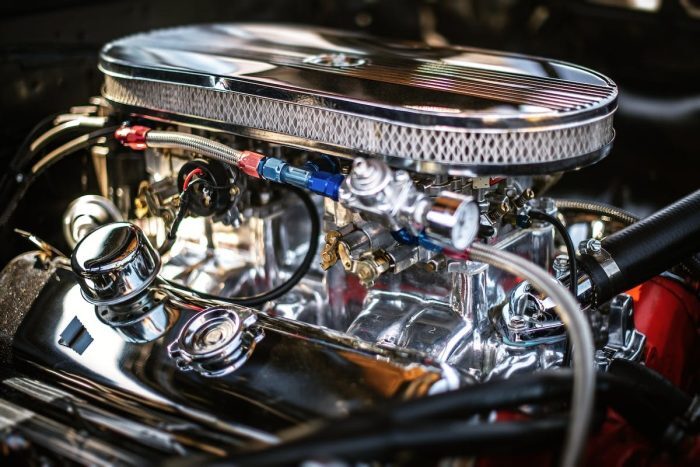
Delving into the realm of automobile engineering, a significant facet that demands attention is the engine mechanism, specifically the 3-cylinder engine. This engine type, relatively smaller in size, has been a topic of hot debate among car enthusiasts and critics alike. Its compact design and fuel economy make it a desirable choice for some. However, opposing voices argue about its performance and durability. Thus, it becomes crucial to understand the benefits and drawbacks associated with a 3-cylinder engine to make an informed decision about its suitability for one’s driving needs. This exploration will shed light on the positive and negative aspects of a 3-cylinder engine.
3-Cylinder Engine: Power and Economy on the Agenda
The advantages of the 3-cylinder engine are numerous and deserve exploration. Its more compact size compared to a traditional 4-cylinder engine allows for better integration in the engine compartment, thus providing more space for other components necessary for the proper functioning of the vehicle.
The weight reduction resulting from this lighter design contributes to improving the vehicle’s overall energy efficiency. This translates into reduced fuel consumption and lower emissions. Green economy enthusiasts will therefore be delighted!
The three-cylinder configuration also allows for more efficient combustion thanks to optimized synchronization of the intake and exhaust cycles. This improved process leads to a significant increase in power while maintaining consistent and smooth performance. Drivers benefit from a pleasant driving experience that combines dynamism and flexibility.
Another important advantage is the lower cost both in terms of purchase and daily use. A 3-cylinder engine requires fewer materials during its manufacture compared to a model with more cylinders. It generally requires less maintenance due to simplified internal parts.
Like any innovative technology, this particular type of engine has certain drawbacks that must be considered before any purchase or prolonged use.
One of the main disadvantages is the higher noise level compared to a 4-cylinder engine. The inherent vibrations of the three cylinders can cause noise and a jolt sensation, which may be perceived as bothersome by some drivers.
Although technological advancements have significantly reduced these drawbacks, 3-cylinder engines have historically been criticized for their lack of low-end power. This means they may struggle during rapid acceleration or in situations requiring higher power.
It should be noted that the most common application of 3-cylinder engines is found in urban and compact vehicles such as city cars and small cars. Their small footprint allows for valuable space savings while providing economical driving suited for typical short trips in urban environments.
Choosing a 3-cylinder engine really depends on the usage profile and individual preferences of each driver. If you are looking for a compact vehicle with excellent fuel economy without sacrificing too much overall performance, then this option could be quite suitable for you. If you need increased power or if silence is paramount for you during your daily commutes in your beloved Cartier Watch, it might be better to consider other alternatives in the current automotive market.
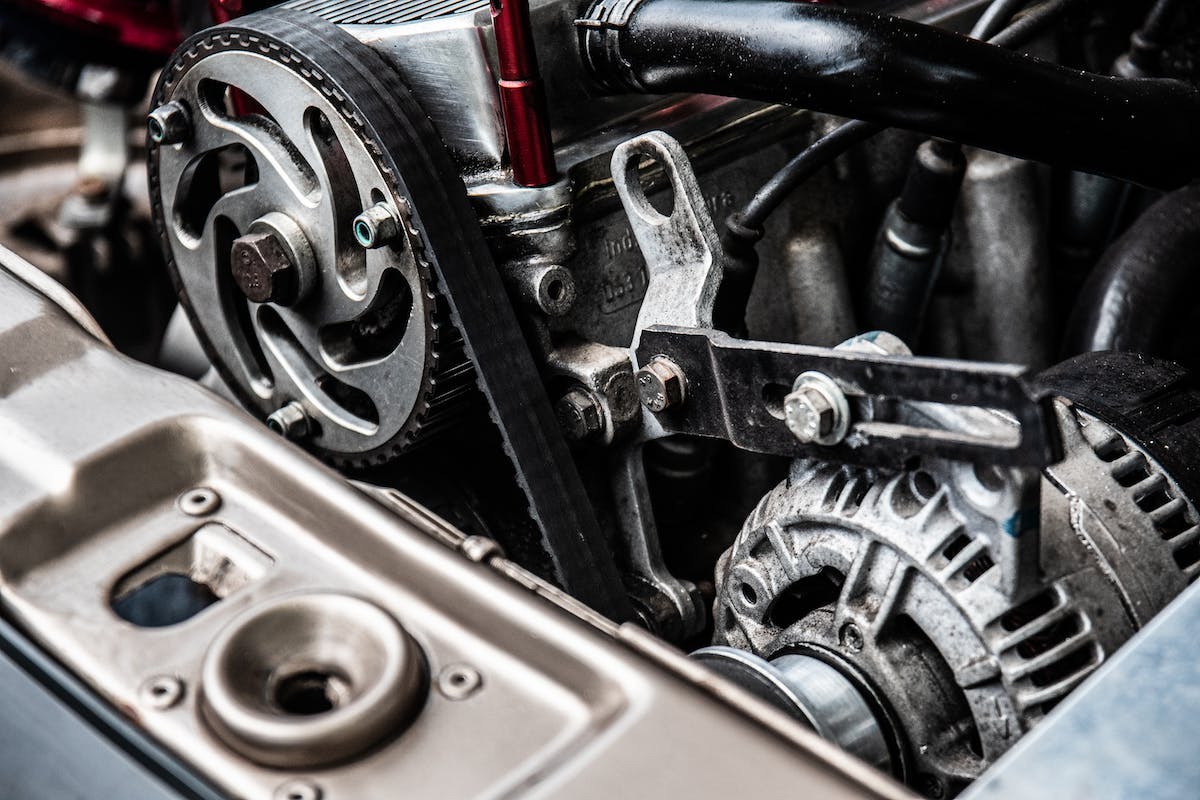
Advantages of the 3-Cylinder Engine: Performance and Low Consumption
It is important to note that 3-cylinder engines also have some disadvantages that need to be considered. One of the main drawbacks lies in their tendency to generate more vibrations and noise compared to 4 or 6-cylinder engines.
Due to the reduced number of cylinders, the inherent imbalance can lead to vibrations that are transmitted to the cabin and can be perceived as unpleasant, especially during intense accelerations. Some drivers may find this disturbing, particularly on long trips where acoustic comfort is essential.
Due to the low number of cylinders, the available power at low revs can be limited. This means that the performance during rapid accelerations or in situations requiring high power may not be as satisfactory compared to an engine with a greater number of cylinders.
However, automakers have developed several strategies to mitigate these disadvantages. They employ various devices such as suitable flywheels and advanced balancing systems to minimize unwanted vibrations produced by 3-cylinder engines.
Thanks to constant technological advancements and improvements over the years, some models equipped with 3-cylinder engines have managed to overcome these initial limitations.
Disadvantages of the 3-Cylinder Engine: Vibrations and Lack of Flexibility
The applications of the 3-cylinder engine are increasingly diverse and extend to different sectors of the automotive industry. These engines are commonly used in compact cars. Their lightweight and compact design allows manufacturers to reduce the weight of vehicles while maintaining sufficient power.
3-cylinder engines also find their place in city cars, where energy consumption is a determining factor. Their small displacement contributes to better energy efficiency and thus appreciable fuel savings during urban trips.
Some high-end models now incorporate 3-cylinder engines to benefit from better efficiency while offering a dynamic driving experience. These engines can be paired with a hybrid system to further optimize the vehicle’s overall performance.
Alternatives to the 3-Cylinder Engine: What Options for Motorists
After reviewing the advantages and disadvantages of a 3-cylinder engine, it is time to ask the crucial question: should one opt for this technology? The answer is not as clear-cut as one might think. Indeed, it all depends on individual needs and preferences.
On one hand, the advantages of a 3-cylinder engine are undeniable. Its compactness allows it to integrate easily into smaller vehicles, making it an interesting option for those who prioritize maneuverability in urban settings. Its lightness contributes to better energy efficiency and thus a reduction in fuel consumption.
On the other hand, the major drawback of a 3-cylinder engine lies in its lack of power compared to a traditional 4 or 6-cylinder engine. This can result in less vigorous acceleration or limited performance on the highway. Some drivers may find the engine noise less pleasant than that of more powerful versions.
Financial aspects must also be considered in this decision. 3-cylinder engines tend to be cheaper than their counterparts with more cylinders. It is essential to evaluate whether this lower initial investment offsets potential additional costs related to repairs and maintenance.
It is important to highlight the constant evolution of engine technology. Automakers are tirelessly working to improve the performance and reliability of 3-cylinder engines. Therefore, what may be considered a disadvantage today could very well be resolved tomorrow.
Choosing a 3-cylinder engine will therefore depend on individual priorities in terms of urban maneuverability, energy efficiency, and budget. Potential buyers are advised to conduct test drives and consider all the factors mentioned above before making their final choice.
Should You Opt for a 3-Cylinder Engine? Analysis and Recommendations
Industry experts predict that 3-cylinder engines will become increasingly popular in the future, due to ever-stricter environmental regulations. Indeed, these engines allow for a significant reduction in CO2 emissions and better energy efficiency, which meets the growing demands for eco-responsibility.
It is worth mentioning that automakers continue to develop and refine 3-cylinder engine technology to improve their performance. Innovations such as turbocharging and direct injection have increased power while maintaining economic advantages. Some models equipped with 3-cylinder engines can now compete with their 4-cylinder counterparts.
For optimal driving, they may be more attracted to a traditional multi-cylinder engine or even a hybrid or electric model.
Ultimately, choosing a 3-cylinder engine will depend on the trade-off between the driver’s specific needs in terms of performance, fuel economy, and environmental respect. Potential buyers are advised to carefully examine all available options on the market as well as their respective features.
It is essential to consider one’s daily vehicle use and driving habits before making a final decision. 3-cylinder engines can be a wise choice for urban drivers seeking an economical and ecological solution, while others may prefer to turn to more traditional powertrains that offer more power.
3-cylinder engines offer undeniable advantages in terms of compact size, energy efficiency, and reduced emissions. They also have their disadvantages in terms of relative lack of power compared to multi-cylinder models. The final choice will therefore depend on the individual driver’s behavior on the road as well as their own automotive priorities.