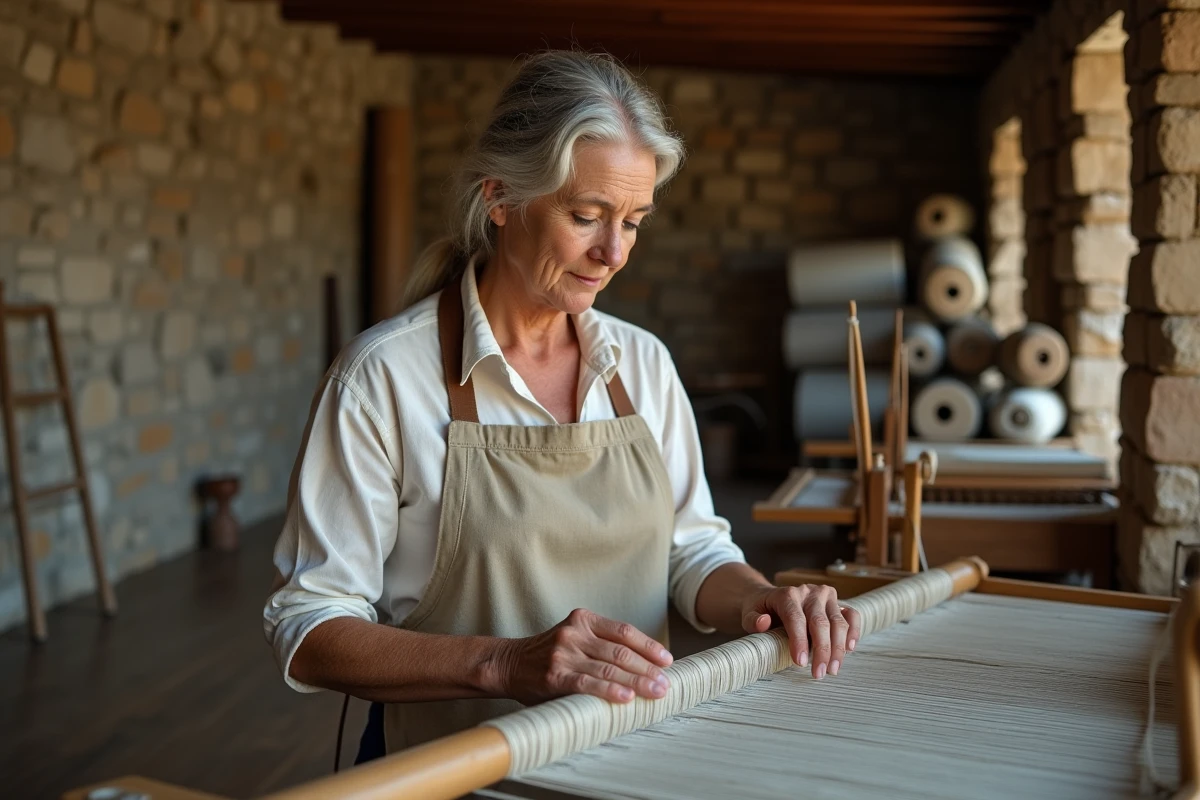
Textiles refer to a flexible material made of fibers, obtained through weaving, knitting, or non-woven processes. The word comes from the Latin textilis, meaning “woven,” derived from texere. Behind this simple etymology lies a sector whose footprint spans clothing, furnishings, medicine, and industry. Measuring the differences between the major families of fibers helps to understand why the choice of a material conditions both the comfort, durability, and environmental impact of a finished product.
Natural, artificial, and synthetic fibers: comparative table of properties
Classifying textile fibers by their origin is not enough. Their behavior once transformed into fabric (strength, elasticity, breathability, maintenance) varies significantly. The table below summarizes the functional differences between the three major families.
| Criterion | Natural fibers (cotton, linen, wool, silk) | Artificial fibers (viscose, lyocell) | Synthetic fibers (polyester, nylon, elastane) |
|---|---|---|---|
| Material origin | Plant or animal | Chemically transformed cellulose | Derived from petroleum |
| Breathability | High (cotton, linen) | Good to average | Low to average |
| Elasticity | Low (except wool) | Average | High |
| Abrasion resistance | Variable (high for linen, average for cotton) | Average | High |
| Environmental impact at production | Water and soil consumption (cotton), low for linen | Chemical processes, solvents | Fossil energy, microplastics during washing |
| End of life | Biodegradable | Partially biodegradable | Difficult to recycle, non-biodegradable |
The definition and role of textiles go beyond the simple notion of fabric: it encompasses fibers, threads, and the processes that assemble them. Understanding these distinctions directly guides material choices based on the intended use.
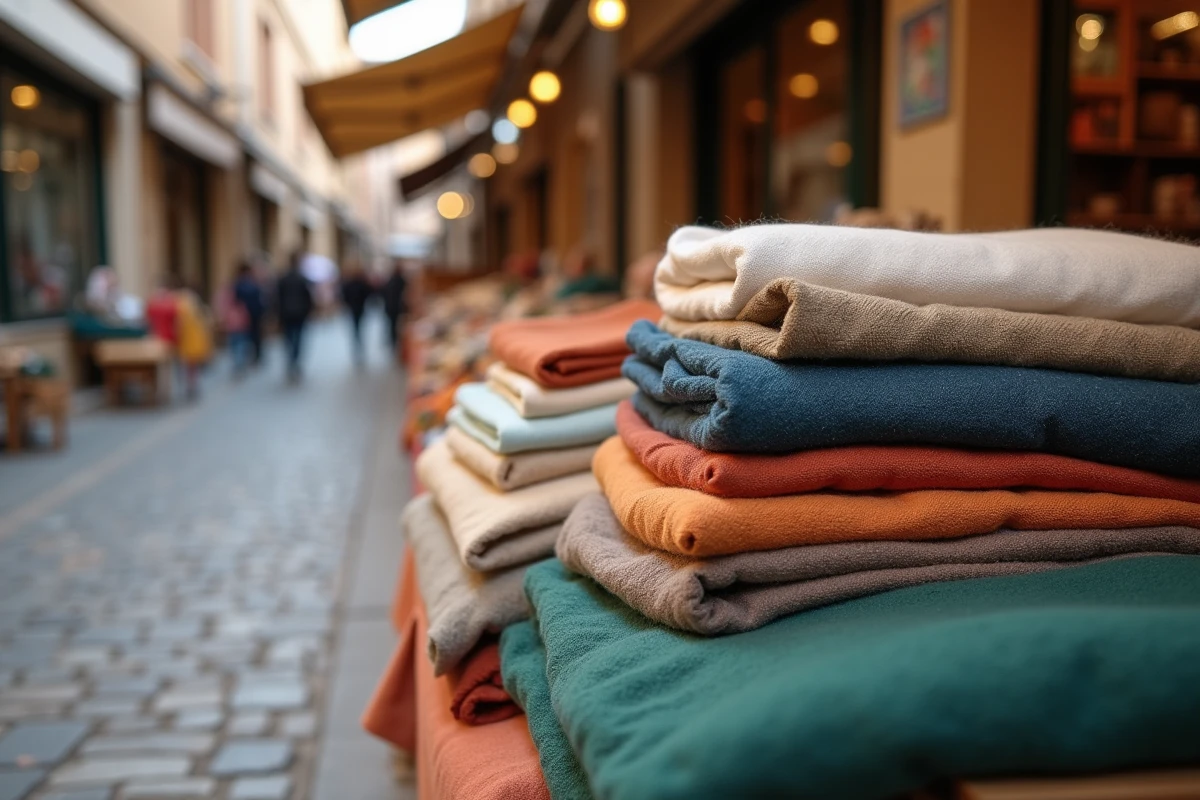
Cotton and polyester: two textile materials with opposing trajectories
Cotton remains the most widely used natural fiber in clothing and home textiles. Its absorbency and softness make it a recurring choice for garments worn against the skin. Cotton absorbs moisture much better than polyester, which explains its predominance in underwear, sheets, and towels.
In contrast, polyester dominates global production of synthetic textiles. Its mechanical strength, quick drying, and low manufacturing cost give it an advantage in sportswear, linings, and technical fabrics.
The environmental gap between these two materials is significant. Cotton cultivation consumes considerable amounts of water, while polyester generates microplastics released with every wash. Neither fiber is neutral: the choice depends on the trade-off between natural resource consumption and plastic pollution.
Blended fabrics: a common technical compromise
The textile industry often combines cotton and polyester in the same fabric to accumulate breathability and strength. These blends complicate recycling at the end of life, as separating natural fibers from synthetic fibers remains a technical challenge.
This point is rarely considered at the time of purchase. A “cotton/polyester” t-shirt costs less to produce, but a blended fabric is much more difficult to recycle than a pure fiber.
Environmental impact of textiles throughout the entire life cycle
The ecological footprint of a textile product is not limited to fiber production. The work of ADEME now integrates the entire life cycle: cultivation or manufacturing of the fiber, dyeing, chemical finishing, transportation, repeated washings, and end of life.
- The dyeing and chemical finishing phase uses solvents and dyes whose discharge into wastewater poses a health problem in producing countries.
- Domestic washings release plastic microfibers into water systems, particularly for garments made of polyester and nylon.
- The end of life (landfilling, incineration, recycling) directly depends on the composition: pure natural fibers are biodegradable, synthetics are not.
This “complete life cycle” approach is becoming a standard in certifications and brand communications. It pushes companies and communities to integrate textiles into their emission reduction plans, alongside energy or transportation.
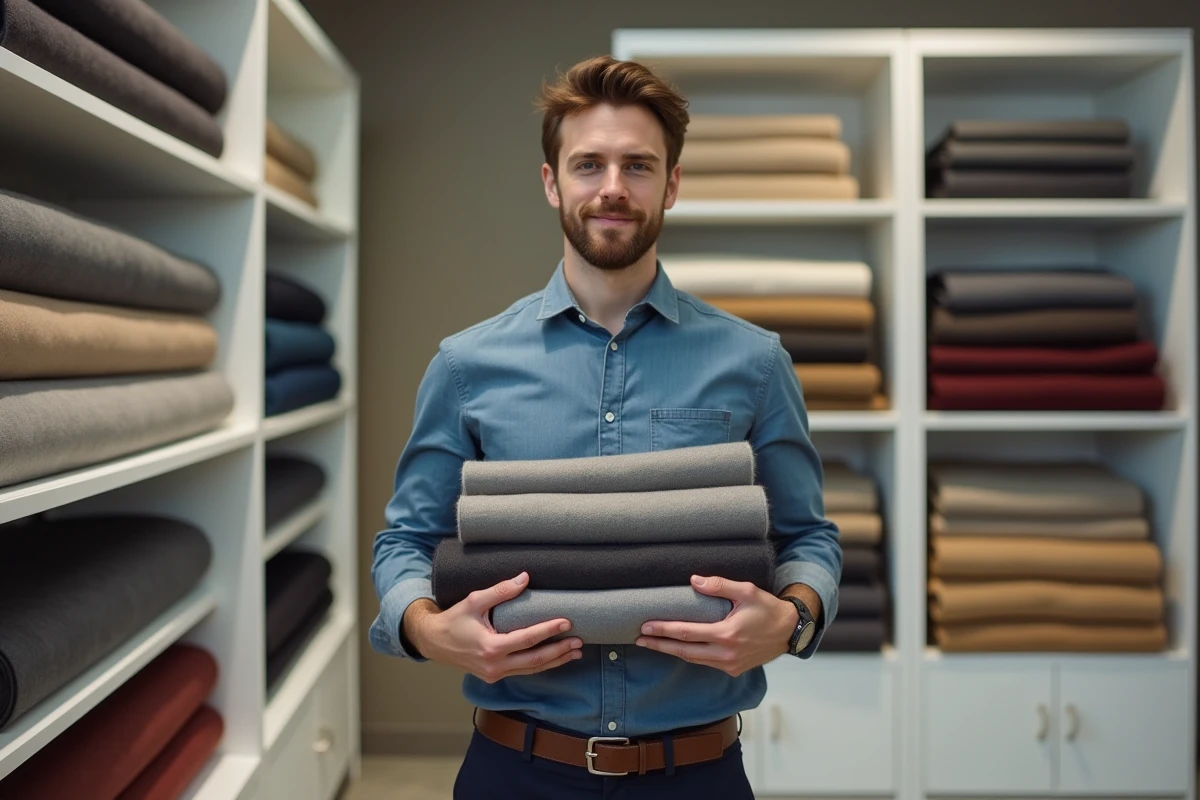
Choosing a textile material based on use: a practical reading grid
The choice of fabric is based on three criteria that are rarely prioritized: comfort in wear, durability over time, and daily maintenance. Depending on the use, the most suitable fiber changes.
- For home textiles (sheets, towels), cotton or linen offer superior absorbency and breathability. Linen, which requires less water to grow, is gaining popularity.
- For sports or technical clothing, synthetic fibers (polyester, elastane) provide elasticity and quick drying, qualities that natural fibers do not offer.
- For furnishings (curtains, sofa covers), abrasion resistance is paramount. Blended fabrics or fibers like thick linen hold up better over time.
- For medical or industrial textiles (filters, geotextiles), synthetic non-wovens dominate due to their consistency and production cost.
There is no absolute “right” textile; it depends on the specific use. A polyester sheet dries quickly but provides less comfort than a cotton sheet. Linen pants wrinkle more easily but regulate temperature better in summer.
Maintenance and lifespan: an underestimated factor
The durability of a textile depends as much on maintenance as on the fiber itself. A cotton garment washed at high temperatures loses its shape faster than a synthetic garment washed in cold water. Adjusting the washing temperature to the material extends the lifespan of the fabric and mechanically reduces the environmental impact of the product.
Silk and wool, among the oldest animal fibers in the history of textiles, require specific care (cold washing, flat drying) that limits their everyday use but gives them remarkable longevity when well cared for.
The origin of textiles dates back to prehistory when the first plant and animal fibers were woven together for protection against the cold. The material has changed, processes have been industrialized, but the criterion for choice remains the same: adapt the fiber to the function. It is this fit, more than price or trend, that determines the real value of a textile product.