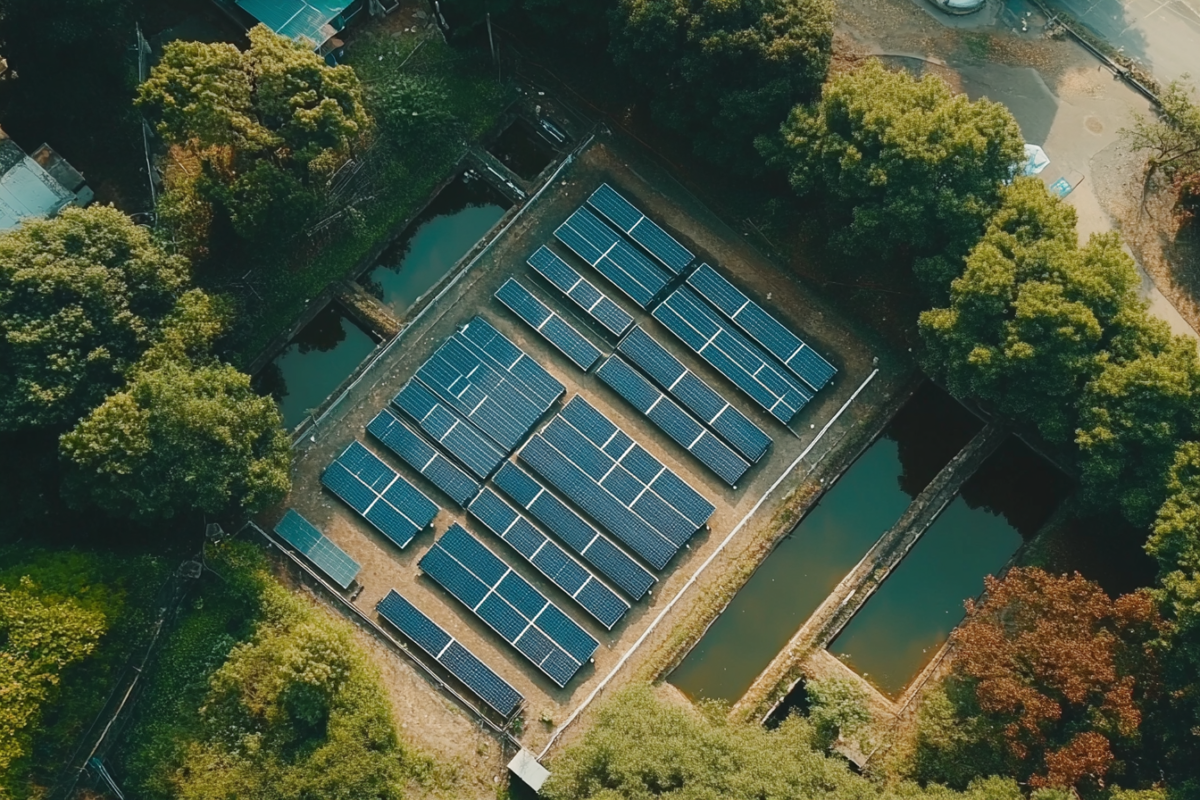
In a world where the quest for clean and renewable energy has become a global priority, solar panels are emerging as an essential solution. These devices convert sunlight into electricity, thereby reducing our dependence on fossil fuels. By adopting this technology, we not only help decrease our carbon footprint but also promote sustainable development. As natural resources are depleting, the sun remains an abundant and inexhaustible source of energy. Therefore, solar panels represent a major technological advancement towards a more responsible energy future. Their growing popularity is accompanied by continuous innovations, making their installation and use more accessible and efficient.
How Solar Panels Work
Understanding how solar panels work is essential to appreciate their contribution to renewable energy production. These devices, thanks to the photovoltaic cells they contain, transform solar light into electricity.
Photovoltaic cells are made of semiconductor materials, usually silicon. When sunlight strikes these cells, it excites the electrons in the silicon, generating an electric current. This process is known as the photovoltaic effect. The cells are connected together to form a panel, and multiple panels can be linked to create a solar system.
- Solar systems can be installed on rooftops or specific grounds, depending on needs and architectural constraints.
- They require little maintenance, making them a sustainable long-term solution.
Advantages of Solar Panels
Solar panels offer a multitude of advantages, both environmentally and financially, making their adoption particularly appealing for individuals and businesses.
- Reduction of greenhouse gas emissions: by using a clean energy source, these devices significantly contribute to the fight against climate change.
- Energy independence: producing your own electricity reduces dependence on traditional energy suppliers and stabilizes associated costs.
- Financial incentives: many governments offer grants and tax credits to encourage the installation of solar panels, making this technology more accessible.
Disadvantages and Challenges
Although promising, solar panels are not without drawbacks. It is important to consider some of the challenges associated with their use to better understand their overall impact.
- High initial cost: the upfront investment for installing these systems can be significant, although this is often offset by long-term savings.
- Intermittent production: energy production depends on sunlight, which can lead to variations in supply.
- Visual impact: depending on the location, installations can alter the aesthetics of a home or landscape.
Future Perspectives
Solar panels represent the future of global energy production. Their continuous development and technological innovations indicate immense potential for various sectors.
- Technological evolution: improvements in the efficiency of photovoltaic cells and reductions in production costs increase their accessibility.
- Urban integration: the smart buildings of tomorrow will increasingly incorporate solar solutions, thus reducing their dependence on traditional electrical grids.
- Rural development: in remote areas, these devices provide an effective solution for access to electricity, thereby stimulating local economic development.
Solar panels are proving to be valuable allies in the energy transition towards a more sustainable future. Their positive impact on the environment and the economy continues to grow, and their widespread adoption could transform the way we consume energy. As climate challenges intensify, it becomes imperative to turn to innovative and ecological solutions. Solar panels, through their simplicity and efficiency, embody this necessary energy revolution to preserve our planet.