The canine gut microbiota relies on a balance between several hundred bacterial species, with composition varying according to breed, age, and diet. When this ecosystem deteriorates, natural approaches to restore a dog’s intestinal flora are not all equal. Some act on microbial diversity, while others target the mucosa itself.
Canine Postbiotics: A Solution When Classic Probiotics Fail
Postbiotics, metabolites produced by bacteria during fermentation, represent a lever that most popular guides overlook. Unlike probiotics, postbiotics do not contain live bacteria. They act directly on the intestinal mucosa by reducing local inflammation.
Research documented from 2021-2023 shows that these compounds strengthen the epithelial barrier in dogs, including those that poorly tolerate live strains. In practice, we observe that dogs undergoing recent antibiotic therapy or with already irritated mucosa respond better to postbiotic supplementation than to standard probiotics.
To restore a dog’s intestinal flora with Animal Time, it may be helpful to combine postbiotics and fermentable fibers before introducing live strains. This sequence prepares the mucosal environment and enhances subsequent bacterial colonization.
Dietary Transition and Intestinal Flora: Why a Minimum of Three Weeks
The duration of dietary transition directly affects microbiota stability. A transition of three to four weeks significantly reduces diarrhea compared to the standard seven-day protocol that most manufacturers recommend on their packaging.
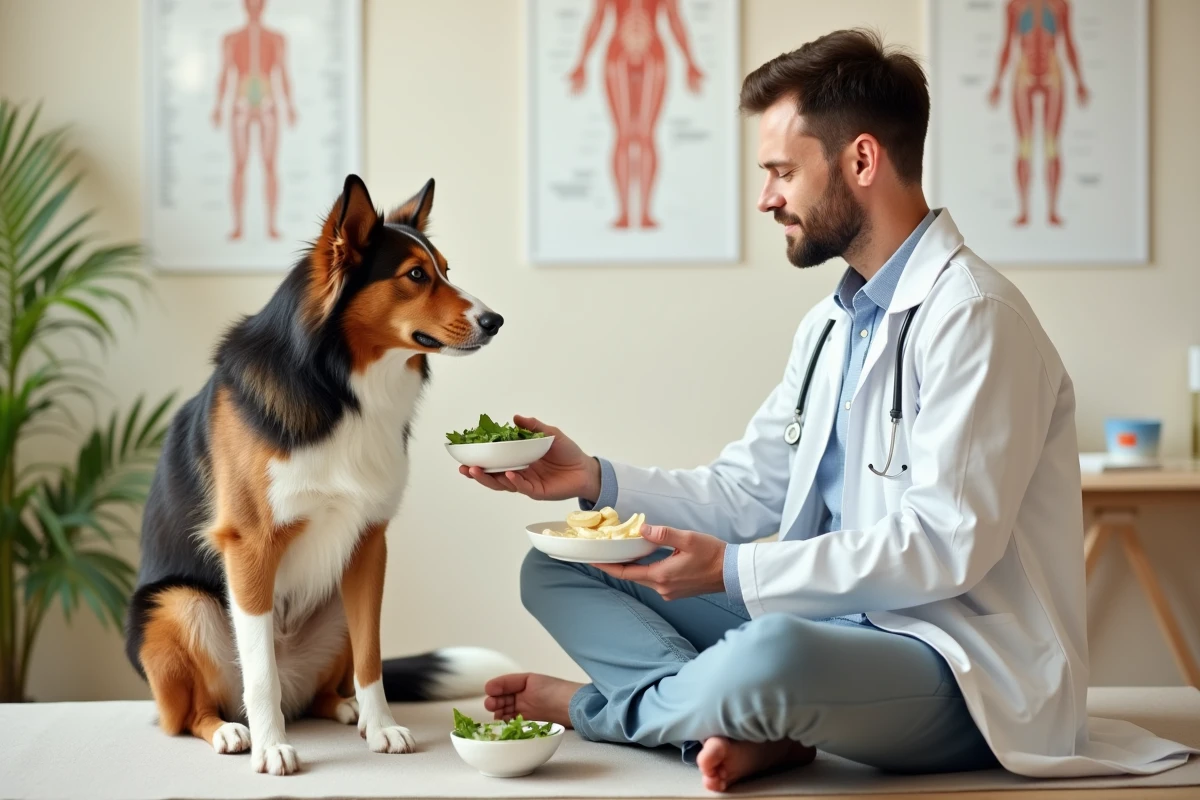
For dogs with fragile microbiota (brachycephalic breeds, elderly subjects, animals that have undergone multiple antibiotic treatments), we recommend a five-day phase of one-quarter modified ration. The old food represents three-quarters of the bowl during the first week, then the proportion gradually reverses.
The combination of fermentable fibers during the transition accelerates the stabilization of the flora. Natural prebiotics like chicory inulin or fructo-oligosaccharides selectively nourish populations of bifidobacteria and lactobacilli. A pinch of blond psyllium can complement the approach by regulating transit without disrupting colonic fermentation.
Common Mistakes When Changing Kibble
- Switching directly from industrial food to a raw homemade diet: the microbial shock almost systematically causes osmotic diarrhea in the first few days
- Adding a probiotic from the first day of transition, while the mucosa is not yet adapted to the new substrate: live strains do not colonize an unstable environment
- Shortening the transition because the dog seems to tolerate the new food well after three days, without considering the complete renewal time of the colonic microbiota
Physical Activity and Microbial Diversity in Dogs
Moderate and regular exercise increases the intestinal bacterial diversity of dogs. This link, documented by recent studies, can be explained by the effect of accelerated peristalsis on transit time and by the stimulation of short-chain fatty acid production.
Short-chain fatty acids (butyrate, propionate, acetate) nourish the cells of the colonic mucosa. A sedentary dog produces less butyrate, which weakens the intestinal barrier and promotes bacterial translocation. Two to three active walks per day, adapted to the dog’s morphology, are sufficient to support this mechanism.
However, we advise against intense exercise immediately after meals. The blood flow diverted to the muscles reduces intestinal perfusion and can exacerbate an already established dysbiosis. A delay of one hour between the meal and exercise is a functional minimum.
Natural Probiotics and Prebiotics for Dogs: Choosing the Right Strains
Not all probiotic strains colonize the canine intestine. Lactobacillus acidophilus and Enterococcus faecium are among the best documented in veterinary medicine. Human strains sold in pharmacies do not have the same affinity for the dog’s mucosa.
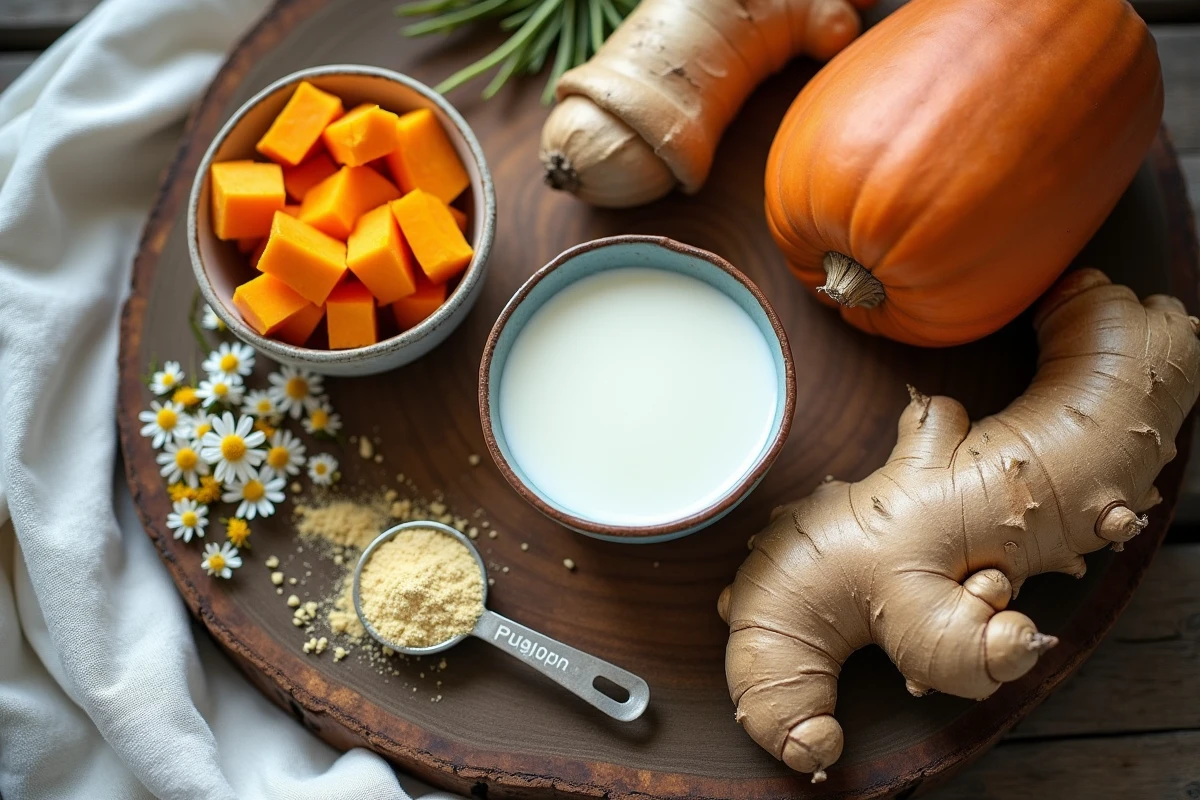
On the food side, milk kefir remains the richest natural source of various strains compatible with the canine digestive tract. A teaspoon for a small dog, a tablespoon for a large dog, introduced gradually over a week. Plain unsweetened yogurt is an alternative, but its concentration of live bacteria is significantly lower.
Prebiotic Fibers to Favor
- Chicory inulin: a selective substrate for bifidobacteria, to be incorporated in very small amounts to avoid flatulence
- Fructo-oligosaccharides (FOS): naturally present in green bananas and Jerusalem artichokes, they stimulate the growth of lactobacilli
- Apple pectin: soluble fiber that slows transit and promotes butyrate production in the colon
The interaction between prebiotics and probiotics (symbiotic effect) yields better results than each approach in isolation. Providing fermentable fiber simultaneously with the live strain increases colonization rates in the colon.
The complete recovery of a disturbed canine microbiota generally takes several weeks. Combining a slow dietary transition, targeted supplementation of fermentable fibers, and regular physical activity produces more lasting results than a probiotic alone administered without preparing the mucosal environment.